Varithena, VenaSeal & Vein Ablation in Las Vegas
Minimally invasive, ultrasound-guided treatments for medically significant vein disease — often covered by insurance when medically necessary.
Medically necessary vein care may be covered depending on your symptoms, ultrasound findings and insurance benefits.
Treating the source of vein disease
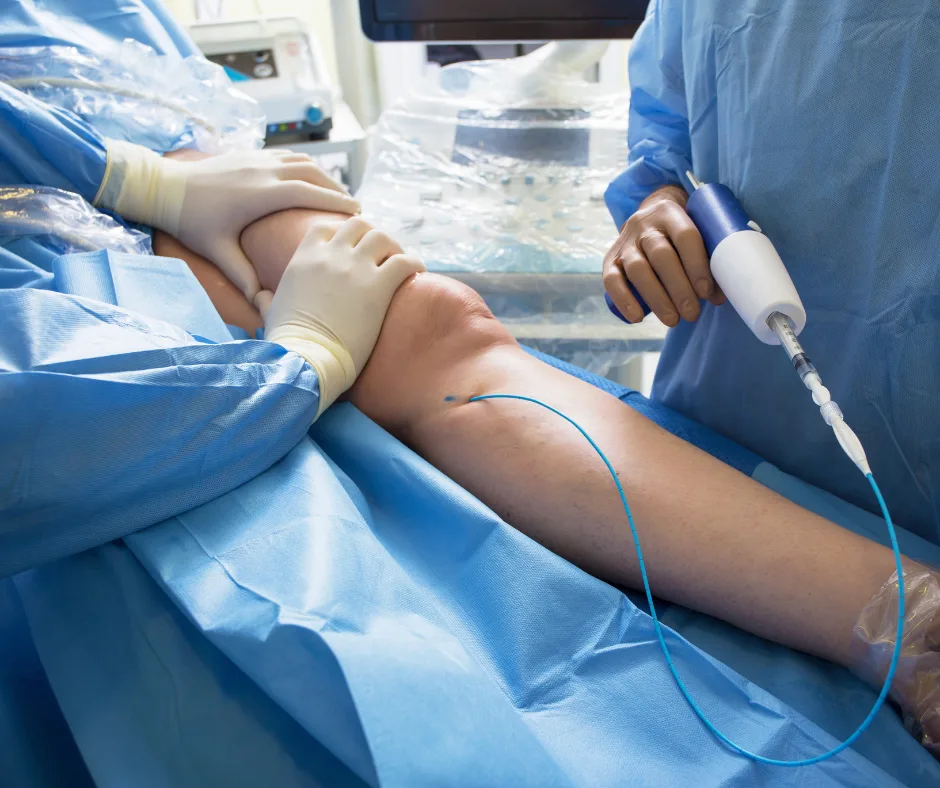
When ultrasound confirms reflux, these treatments close the faulty vein at its source. Blood reroutes to healthy veins; symptoms and surface veins improve.
How it works
Ultrasound mapping
Reflux is confirmed and the target vein is mapped.
Conservative trial
Insurers typically require a period of compression therapy first — we document it.
The procedure
Varithena microfoam, VenaSeal medical adhesive, or thermal ablation closes the vein through a tiny access point.
Recovery
Walk immediately; most patients return to normal activity the same or next day.
Ultrasound-confirmed venous reflux
Symptoms: heaviness, aching, swelling, cramps, skin changes
Patients seeking non-surgical, walk-in walk-out treatment
No reflux on ultrasound — surface treatments may be all you need
Acute DVT requires urgent management first
Certain adhesive allergies (for VenaSeal) — alternatives exist
A consultation is always required to determine candidacy.
From heavy legs to lighter days
Results are progressive and vary by patient, treatment plan and healing response.
Day 0: Procedure done under local anesthesia; walk out
Week 1: Most patients back to full routine
Weeks 2–8: Symptoms improve as flow reroutes
Follow-up: Ultrasound confirms closure; surface veins addressed if needed
Before & after
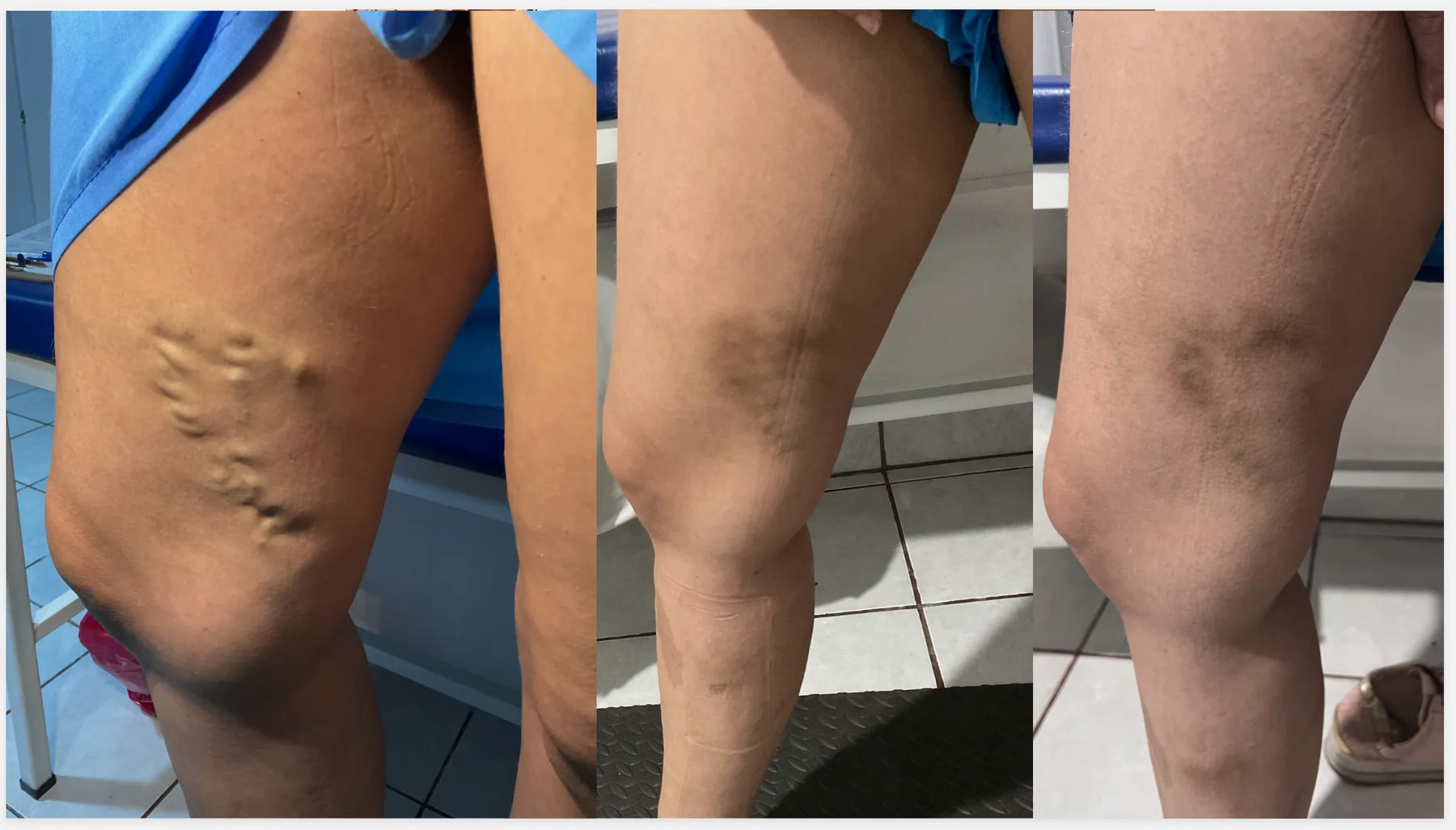
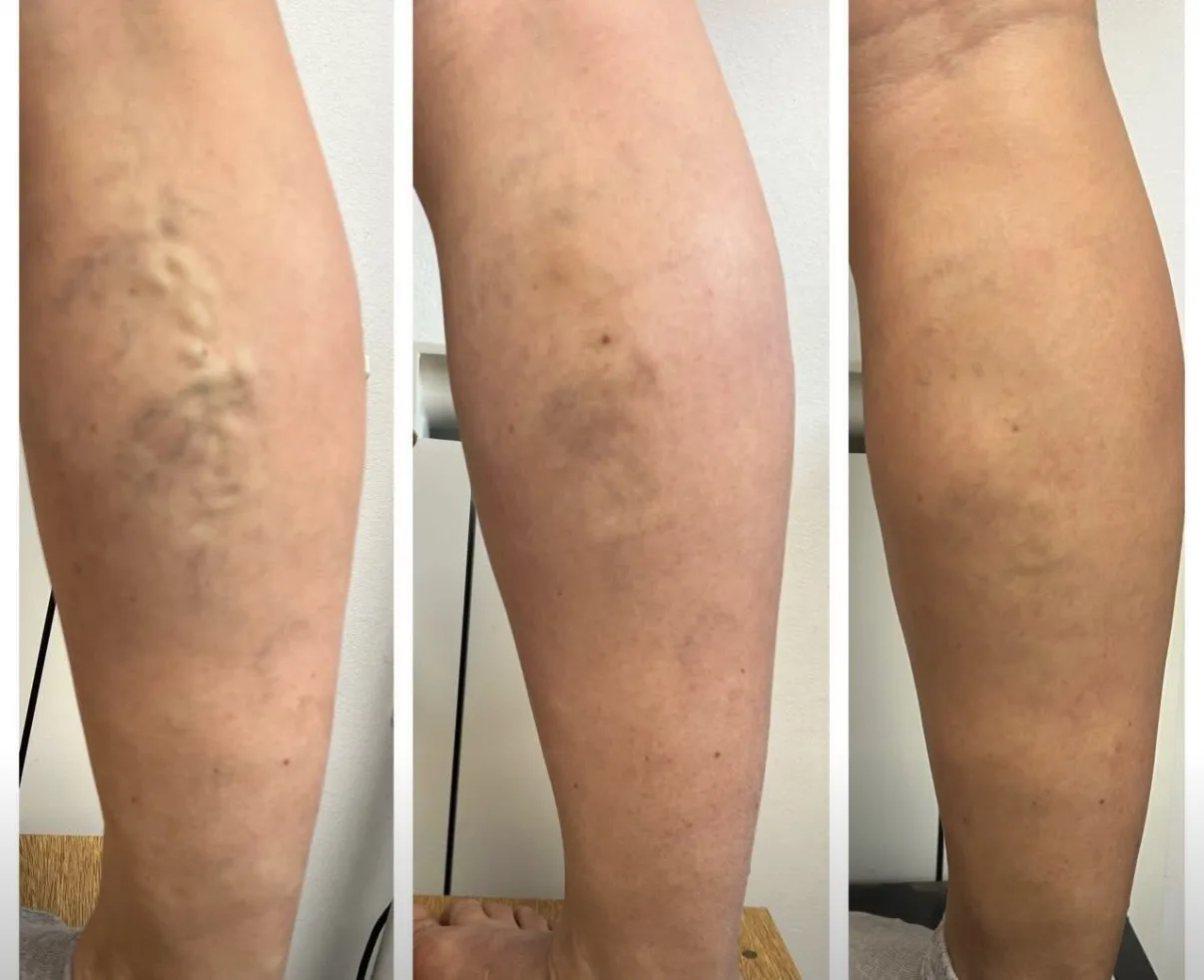
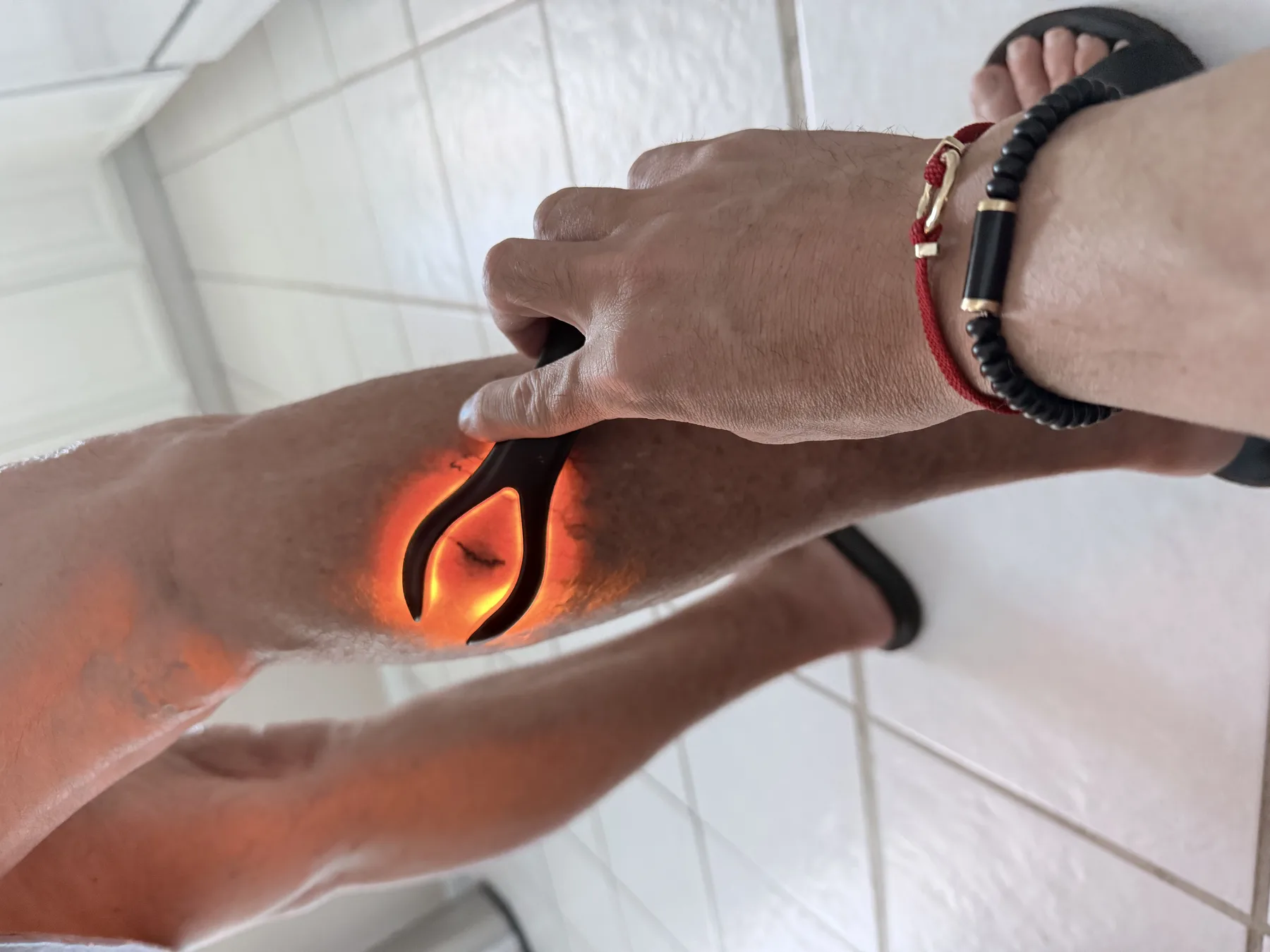
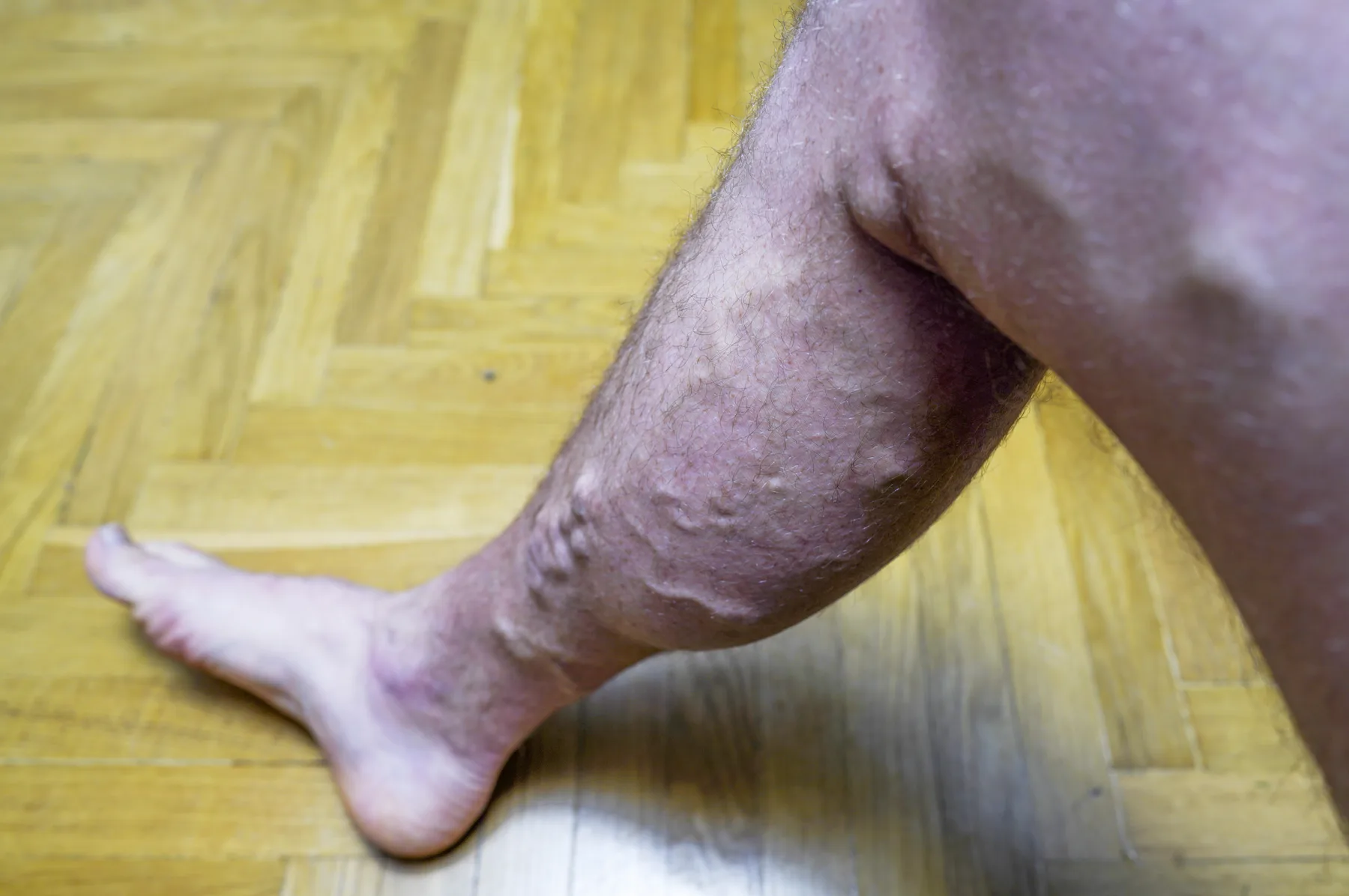
Individual results vary. Photos are shared with patient authorization.
Pricing & financing
When medically necessary — confirmed by symptoms, ultrasound findings and conservative-care documentation — treatment may be covered by your insurance. We guide you through the entire approval path.
Common questions
What is the difference between Varithena, VenaSeal and ablation?
Varithena is an injectable microfoam; VenaSeal closes the vein with medical adhesive; thermal ablation uses heat via a thin catheter. All are ultrasound-guided and minimally invasive — we recommend based on your anatomy.
Is it surgery?
No. These are in-office procedures through a needle-sized access point, under local anesthesia.
Will insurance cover it?
Often yes, when medical necessity is documented. Coverage depends on your symptoms, ultrasound findings and plan benefits.
How long is recovery?
Walking starts immediately; most patients resume normal activity within a day.
What happens to the closed vein?
Your body reroutes blood to healthy veins and gradually absorbs the treated one.
Will my varicose veins disappear?
Surface veins typically shrink after the source is closed; remaining ones can be treated with sclerotherapy.
Do symptoms really improve?
Heaviness, aching and swelling commonly improve significantly once reflux is corrected.
How do I start?
Book a vein evaluation — ultrasound findings determine everything that follows.
Request Your Vein Evaluation
Heavy, aching legs? Request an evaluation — medically necessary vein care may be covered by insurance.